

THE 7 PRINCIPLES OF SUSTAINABLE BUILDING DESIGN
Here below are the 7 Principles of TACTICS.
Click ‘Read More’ below each letter, to see the details of that principle.
Once you have learnt them, you may enjoy reading more of this page also, about your own contribition to sustainability,
because, as we begin to follow the 7 TACTICS principles, it’s important to keep yourself ‘in the picture’.
In non-sustainable housing, many poorer aspects are a result of other’s decisions, such as inferior material choices, poor orientation, etc.
The more we control and choose ourselves during design/ build stages, the more sustainable our home can be.
Human owner/ occupant behaviour can have great ongoing positive impact also, through our daily decisions and habits.


You. Occupant Behaviour and Change
Thermal Comfort.
Human thermal comfort primarily depends on environmental factors and on personal decisions/ actions.
We don’t have thick fur or a tough hide, we’re soft skinned mammals who are quite sensitive to many temperatures.
4 environmental factors that determine our thermal comfort are:
Airflow, the air moving across our skin takes away body heat.
Air (room) Temperature, the air condition/ temperature that we live in.
Air Humidity, the level of moisture in the air, and,
Radiation, direct heat from the sun and nearby hot surfaces.
3 personal factors that also determine our thermal comfort are: the clothing (type and amount) being worn, a person’s level of physical activity, and personal health.
We can have a direct level of control over our comfort via these 3 personal factors, before we reach for a ‘switch’.
We can also have control over some of the 4 environmental factors such as choosing where we sit, or chosing to use shade.
With this comfort knowledge we can look to understand and change ourselves firstly, and some of the conditions we are in, before we need to change our home.
For example, we can shade a window in the morning (before starting work) to stop the summer sun entering the house, and then we won’t need to manage a hot home in the afternoon (when returning from work.)
We each can evaluate and change our own lifestyle and habits, as they play a significant role in the sustainability of a home.
We can dramatically reduce energy and water consumption through daily choices, as the sustainability of a house is not limited to the building itself but also involves the homeowner’s /occupant’s daily and on-going behaviour.
Keeping aware of these environmental and personal factors reminds us that we are at the centre of our home and its sustainability.
Behaviour example: consider a two story home with an open staircase and 3 upstairs bedrooms with single glazed (SG) windows. Warm air (heat) from a heater in the ground floor living room will rise up the stair-well, flow into the bedrooms and be lost through the SG windows. Closing the bedroom doors up-stairs before sitting down for a movie seals much of the heat into the home and ensures the living room is many degrees warmer.
Beyond Tactics. Other Sustainable Ideas
When fully assessing the sustainability of where we live, we can also consider a wide range of factors beyond the core home TACTICS discussion above, including the local ecology, our community and our property surroundings. On our journey to be more sustainable, we can ‘look over the fence’ to see what’s around us and consider that in our planning also.
Considerations that may be relevant to you and your site include seeking opportunities for positives such as; green street verges, community wind-breaks, community seating with shade points, ‘common shared open spaces, and share points for sharing books or surplus home-grown food.
A quick reminder here also, to always check regulations and planning (Zones, Overlays, Planning Schedules, Regulations, Owners Corporation rules, etc.) for what is and isn’t allowed on and around your site.
Below are areas where changes for a more sustainable life can be made.

Sustainable Landscaping
To improve outdoor spaces; select shade or non-shade tree options to best suit the climate and property, prioritise native plants (less water, more birds), choose drought-tolerant vegetation, establish irrigation efficiency, replace lawns with abundant biodiversity, fruit-trees and animal habitat, include herb plantings and a veggie garden.
Good natural landscaping and garden design can simultaneously; improve aesthetics, help with water management, improve air quality, allow habitat creation and local food production…and can help to warm and cool your house. The planning and design of outdoor space should be considered an integral part of your home’s sustainable design. Ideally, landscapes should maintain themselves and survive by being part of the natural cycles of the local environment. Research reveals many benefits come from making homes, streets and cities greener, as seen in the 3+30+300 rule. Large street trees, for example, are a wonderful natural way to lower temperatures in homes.
The 3+30+300 Rule for Healthier and Greener Cities : NBSI
The scope of (re-)designing an outdoor space may range from revegetation of farm-land (as per the image above) to the detailed re-design of small courtyard spaces. Sustainable landscaping means putting back much of what may have been in place before development. It may also mean introducing things that were not there before, to ensure that the landscape can be socially, economically, and environmentally sustainable in future.
Benefits of Sustainable Landscaping include:
- Increased biodiversity. Native vegetation supports local biodiversity by providing habitat, especially for birds, insects, butterflies, small mammals and lizards.
- Improved air quality. Vegetation creates oxygen. It removes pollutants from the air and creates buffers and filters for wind and dust control.
- Vegetation provides natural cooling through shading. Shading to the North is best provided by deciduous plants that give shade in summer and drop their leaves in winter, allowing in the winter sun.
- Water management. Good landscaping absorbs stormwater, reducing the need for watering plants. It can also be part of a wastewater treatment system via a reed garden.
- Food production. Growing fruit and vegetables at home reduces our ecological footprint. It saves on living and travel costs and it is a truely natural joy to grow and eat home-grown food.
- Biophilia (love of nature) recognises that vegetation and natural environments have a measurable impact on our psychological health. We all feel better in Nature.
Further Tests, Ratings and Regulations to consider:
Certifications, Ratings, Expert Advice.
Look for ‘green’ building certifications such as NatHERS (Nationwide House Energy Rating Scheme) to officially assess the Energy Efficiency of a home or new home plans. ‘Green’ (EEA) tests can guide good changes and lead to an increased home value though proof of Energy Efficiency levels. (For new homes, and in some cases for major home changes, certain NatHERS rating minimums are also required by law.)
Local Regulations and Incentives.
Look for any local regulations, incentives, or grants that promote sustainable home practices or energy-efficient upgrades. There are many government programs designed to help improve the sustainability of a home.
You may also like to consider doing these tests:
Blower-test: to check airtight-ness of your home, to detect any leaks.
Thermal imaging: converting infrared (IR) radiation (heat) into visible images that show us temperature levels/ differences via a coloured image, to help locate heat-losses such as gaps and missing insulation inside walls, floors and roofs.
Energy Efficiency Assessment (EEA): conducting an EEA helps understand how and where energy is used, where to improve usage and equipment, and how to reduce costs.
Australian housing design and construction is commonly done by following building ‘conventions’, though the world is ever changing, and things can be re-thought. We are free to make changes that will improve our lives and help the planet. Simply changing our focus and habits starts us making a difference. What may have been done in the past is up for review, just as new issues are now more urgent.
"Thank You And Best Wishes!"
We wish you luck on your sustainable journey.
We hope this CESH TACTICS assessment tool helps to bring positive change to your home and your life.
Please message if you have any questions, comments or suggestions.

In Awe of Nature
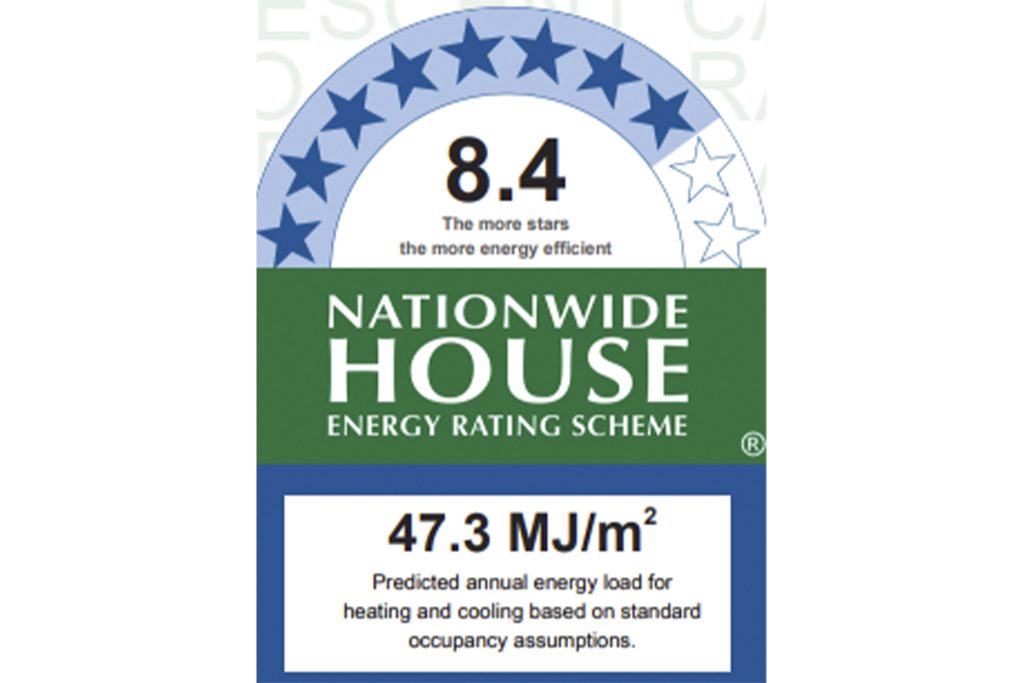
Following CESH TACTICS principles helps to reach NATHERS ratings of 8.4 and above
TACTICS: the science of comfort
Stay connected! Follow us on our blog or socials for the latest updates, education and much more!
Quick Links
Get In Touch
© All Rights Reserved.