Energy efficiency (EE) is a key element of sustainability, it’s one aspect of being more fully sustainable.Being energy efficient is simplyusing the least amountof (or no) power to heat, cool, cook and do other things that need power. Sustainability is a broader concept and is covered by the 7 principles of TACTICS.
The keys to being EE and to spending less on energy are:
1. Check if we can act without using power (e.g., choose a clothes line over a dryer). 2. Buy the most EE of all available appliances (by checking their ratings). 3. Actively use as little power as possible (such as using a shorter wash-cycle). 4. Finally, buy the cleanest source of grid power, the greenest one with the least emissions, or, even better, produce and store your own green (solar) power.
In Southern Victoria, heating is a much bigger factor than cooling, so whilst energy discussions are often about air-conditioner (A-C) use, our first focus (in Melbourne) should be home heating. Each degree of extra heating in winter (or of cooling in summer) increases energy consumption by about 5–10% (www.energy.gov.au) so we can see that even small changes in our behaviour can be positively impactful. It’s suggested to set (limit) a thermostat to 18 to 20°C in winter and around 25°C in summer.
Specific measurement terms of EE are Net-Zero (use), Zero-energy (use), or Zero Emissions, all related to lowering energy use and having low or no emissions. These specific measurement goals can be adopted to help reach a higher level of EE, especially if you wish to note and report your specific energy use/ level.
Happily the sun provides us freely, both natural light and natural warmth. This natural form of light and heat is also quiet and arrives at our home free. We should utilise this natural energy source as much as we can in daily life before reaching for a switch.
.
COST AND ENERGY-EFFICIENT LIGHTING
Good lighting design combines opportunities for using natural light (daylighting) with well-designed electric lighting, to provide energy-efficient (EE) lighting for rooms and tasks.
Light bulb technology has improved in recent decades, including efficient light-emitting diode (LED) bulbs and compact fluorescent (CFL) bulbs. LED bulbs are the most EE option and can also last more than twice as long as CFLs. Having old style (halogen) downlights added unwanted heat to a home, a problem of the past where installing 30-40 of them meant also having 30-40 little ‘heaters’ in the ceiling.
Allowing natural light to enter through windows, skylights, etc. can reduce energy use, though this daylighting also needs to be balanced with good thermal design to ensure that this sunlight does not increase the need for cooling inside the home.
Designing electric lighting well for specific tasks, as well as for general lighting of rooms, is more efficient than trying to make the entire room brightly lit. Positioning one light above a desk is better than having (say) 4 lights in a ceiling that are all behind the person at the desk and who then also struggles against their own shadow on their work.
The average Australian home contains 37 light bulbs. Choosing efficient and well-designed lighting saves significant amounts of energy and money.
Ways to increase Energy Efficiency (EE) in a home are:
Install (more) EE appliances such as; ceiling fans, reverse cycle A/C + heating systems, heat-pump hot-water (HPHW) systems and timers.
HPHW (heat exchange) electric hot water systems are a very cost effective heated-water source and also elimiate the need for gas.
Using appliances when the sun is shining gives free green power.
Consider having all-electric (no gas) kitchen appliances, either for a new build, or with a retro-fit.
A retro-fit example for higher EE is to replace a gas heater with a split-system (green energy powered) electrical unit for heating/ cooling.
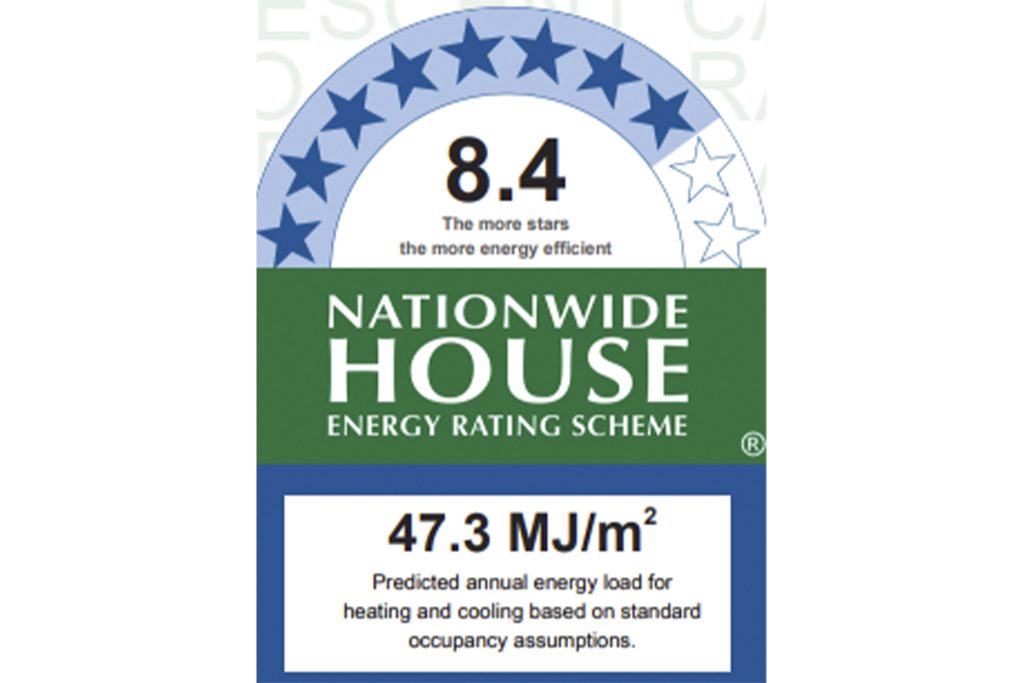
For new appliances, follow the sticker-guides on EE ratings when choosing.
Consider that a cheaper non-EE appliance costs you more over time.
Choose a quality appliances and look forward to years of lower running costs and lower emissions.
Locate thermostats, with timers, in the most used rooms and away from sources of heat/ cold.
Heat and cool only the rooms/ spaces used most, and close doors to other areas.
Close drapes and blinds to manage sun rays and heat gain/ loss through windows.
Purchase ‘green’ energy, such as from solar and hydro suppliers.
Install solar panels (free green energy) and perhaps an in-home solar battery.
A home solar battery gives free green power when the sun is not shining.
Adopt the latest technology to future-proof the home against energy shocks/rises.
Change occupants human behaviour (and habits): this plays a big part is good daily decisions and actions.
Charging an electric vehicle (EV) from a home’s solar panels gives free clean transport fuel and gives a good ROI from solar panels.
High-efficiency systems, such as LED lighting, greatly reduce energy consumption.
Water Efficiency.
Efficiency also relates to water efficiency where decisions on appliances, tap-wear, installing water-tanks, using grey-water and other changes will dramatically cut water use and the costs associated with it. Water-tanks also give a high level of self-sufficiency for water needs, and are especially useful in hot months and/or hotter dryer climates.
Appliance water rating labels (on water using products) are regulated under the Water Efficiency Labelling and Standards (WELS) scheme. The label is designed to help make informed choices about the water efficiency of products. Details can be found here: Water Rating | Australian Government
Link: this Energy Rating website provides information about the Equipment Energy Efficiency (E3) program. Home | Energy Rating
A ceiling fan is often the ideal cooling method for a room and uses less power than other cooling systems.
Highly EE homes can be built using standard building materials and methods, particularly if good decisions are made around energy use and appliances